
Send Message Us
Recent Product
Solar Power Inverter for Home & Offices in Delhi
Solar Power Inverter for Home and Offices in Delhi
Reliable power backup is important for homes and offices where uninterrupted electricity supports everyday activities, work, communication and essential equipment. A solar inverter in Delhi helps convert the electricity generated by solar panels into usable power while managing energy flow within the solar system. For households, offices and commercial spaces looking to make better use of solar energy, Solar India provides suitable solar inverter solutions designed around different power requirements and installation needs.
What Is a Solar Power Inverter?
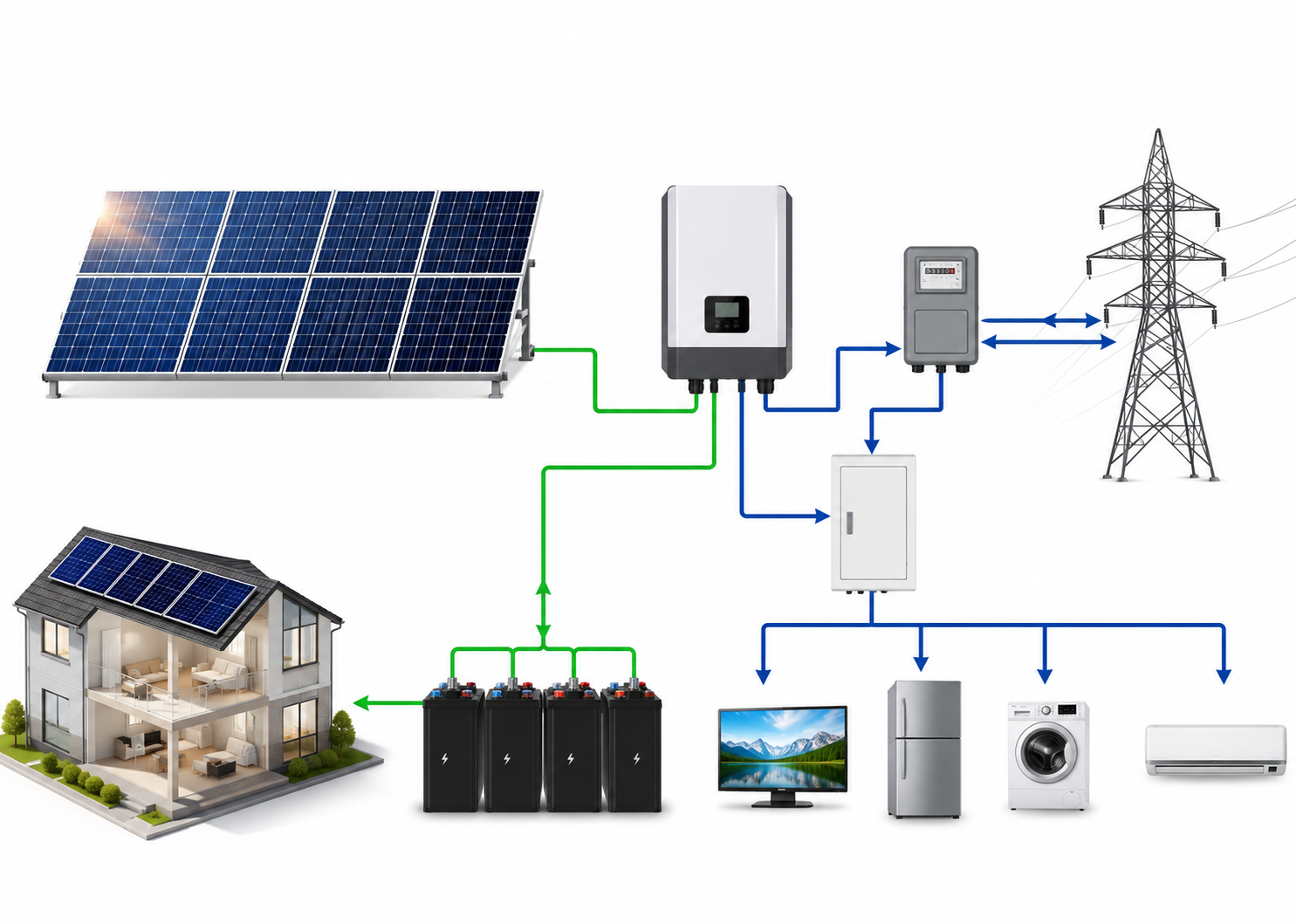
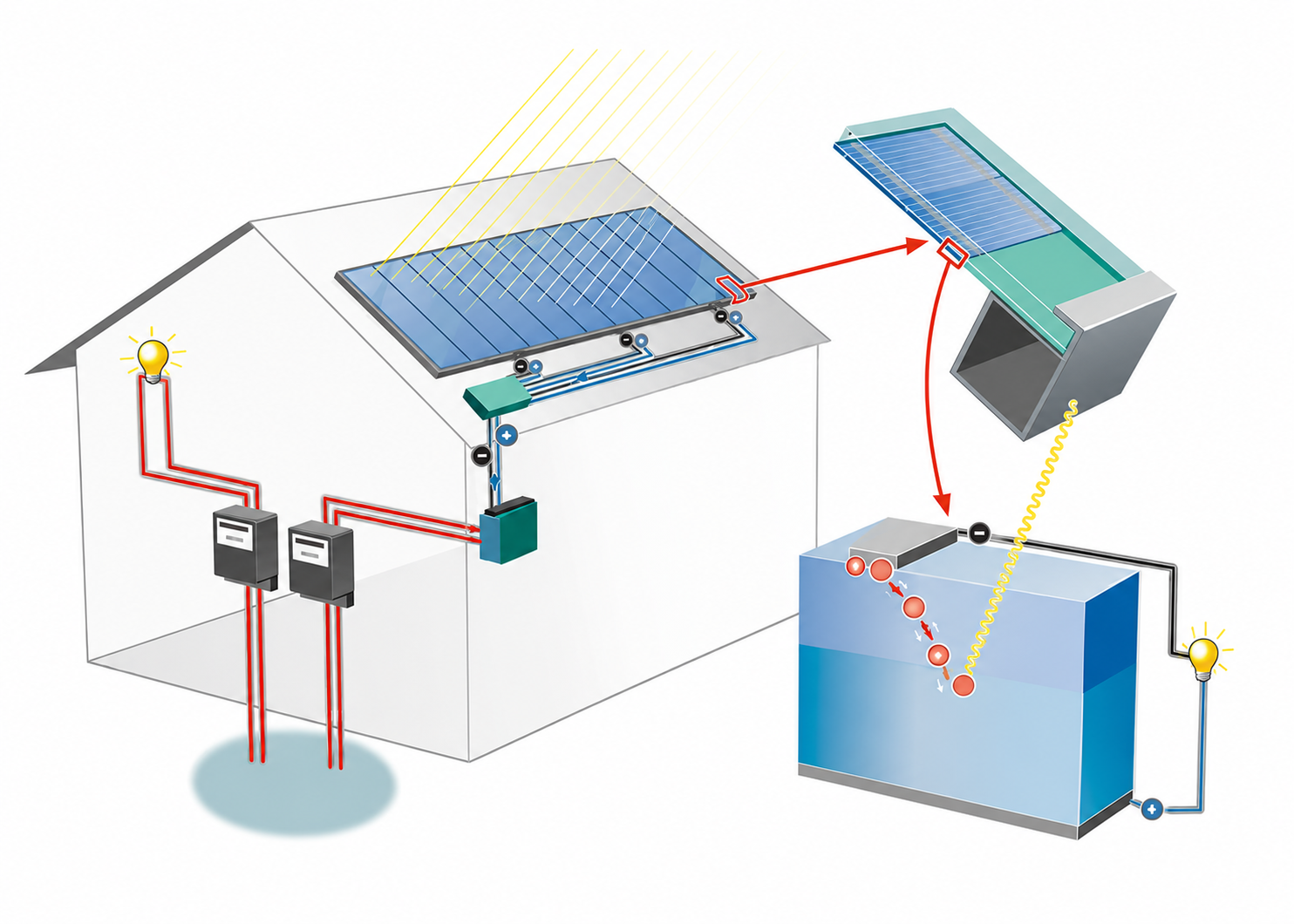
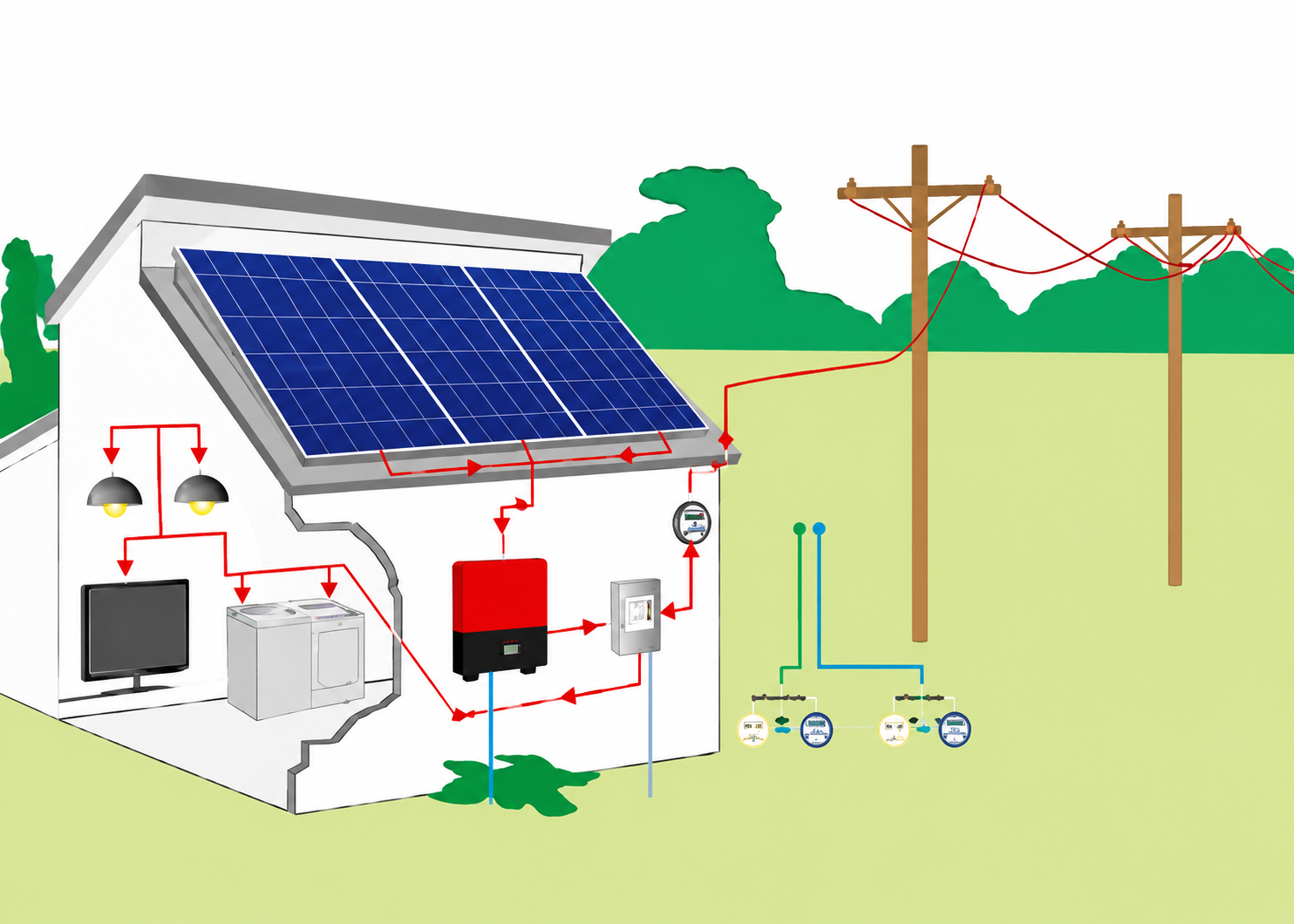
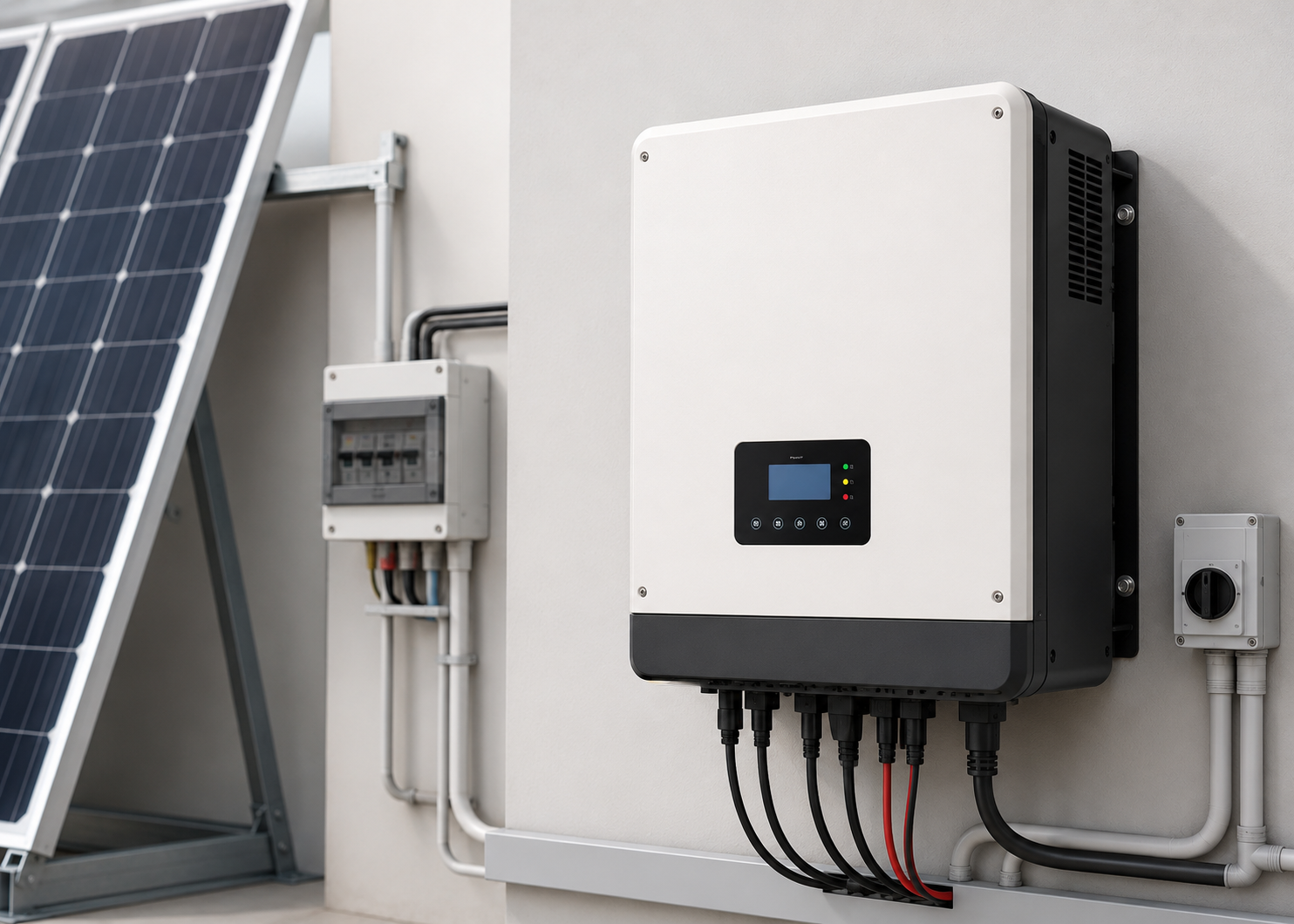
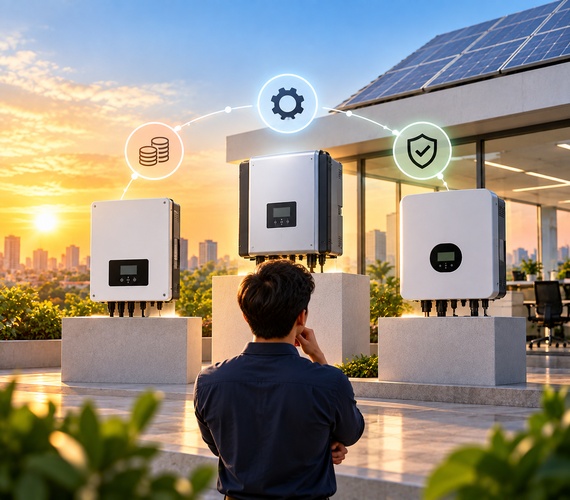
A solar power inverter is an essential component of a solar power system. Solar panels generate electricity in the form of direct current (DC), whereas most household and office appliances operate on alternating current (AC). The inverter converts the generated DC electricity into AC electricity that can be used to operate electrical appliances.
Depending on the system configuration, a solar inverter can also work with batteries and the electricity grid. This makes it possible to use solar-generated power efficiently while maintaining a suitable backup arrangement.
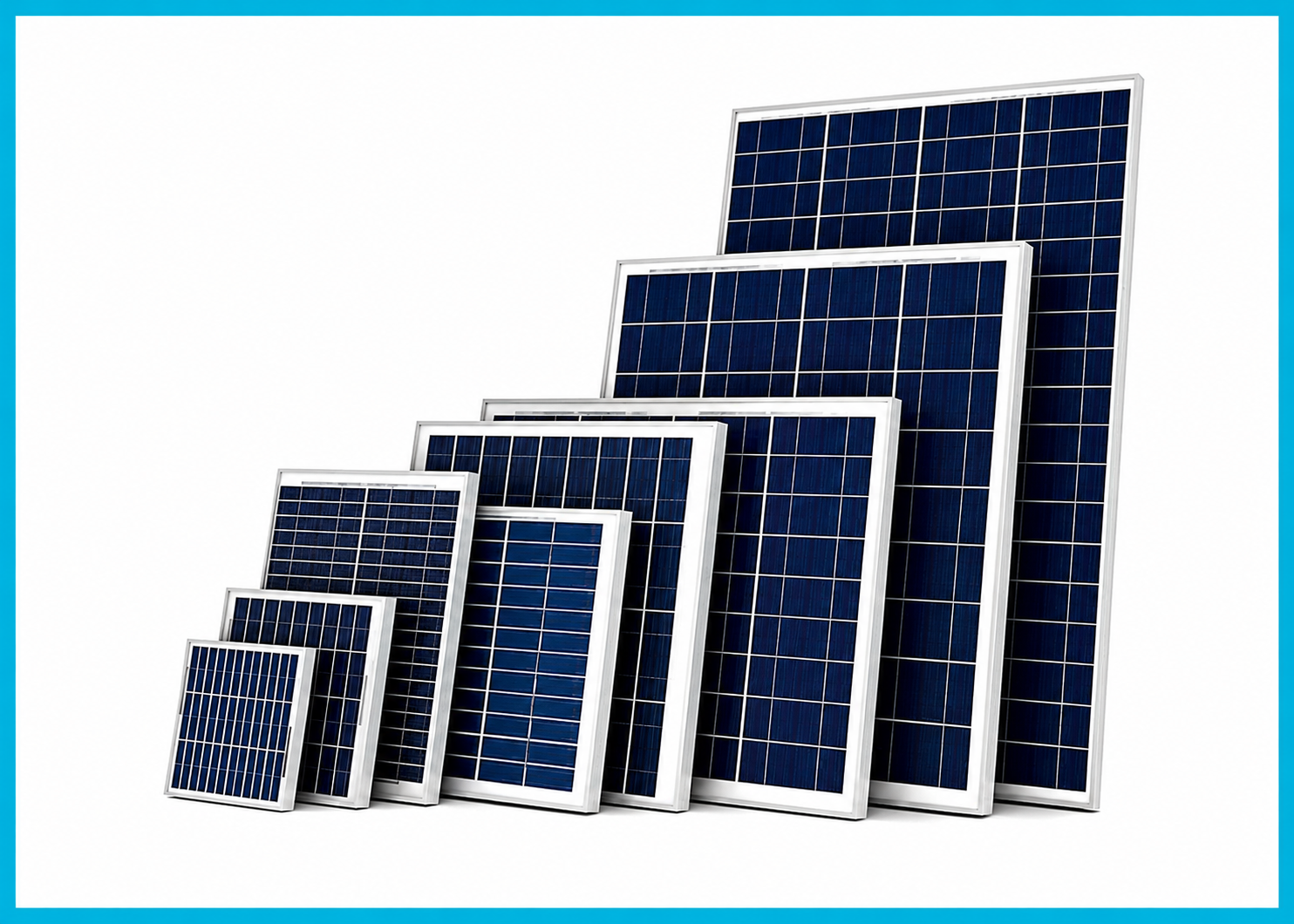
Solar power inverters are available in different capacities and configurations. The right option depends on factors such as connected load, daily electricity consumption, solar panel capacity, battery requirements and available installation space.
Solar Power Inverter for Home in Delhi NCR
Homes have different electricity requirements depending on the number and type of appliances being used. Fans, lights, televisions, refrigerators, computers, pumps and other household equipment can contribute to the overall load.
A solar power inverter for home in Delhi NCR can be selected according to the household's energy consumption and solar installation. A correctly sized inverter helps manage the electricity generated by the panels and distribute usable power to connected appliances.
Homeowners can consider factors such as:
- Total connected electrical load
- Number of appliances
- Solar panel capacity
- Battery backup requirements
- Available roof space
- Daily electricity consumption
- Grid availability
- Future expansion requirements
Choosing an inverter according to actual power requirements can help create a more practical and efficient solar power setup.
Solar Power Inverter for Offices
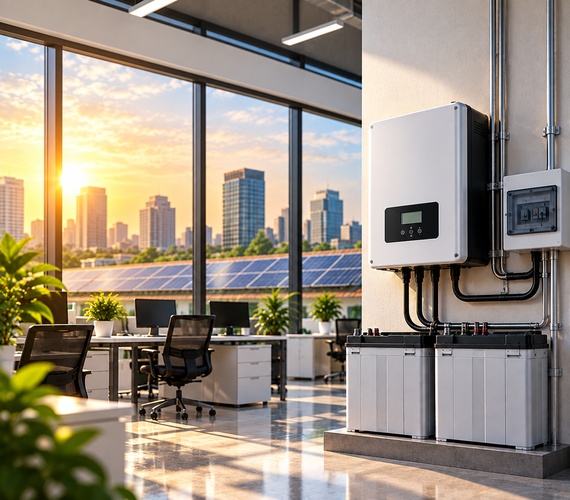
Modern offices depend on electricity for computers, networking equipment, lighting, air conditioning, printers and other essential systems. Even short interruptions can affect routine operations.
A solar power inverter in Delhi can form an important part of an office solar installation by managing electricity generated from solar panels. Depending on the system design, solar power can be used for office loads while grid electricity or batteries provide additional support when required.
For offices, inverter selection should take into account:
- Office operating hours
- Number of workstations
- Computer and networking loads
- Lighting requirements
- Air-conditioning load
- Backup expectations
- Solar generation capacity
- Possibility of future load expansion
A properly planned system can help businesses make productive use of available rooftop solar space.
Key Features of Solar Power Inverters
Different inverter models offer different specifications and functions. Some commonly considered features include:
Efficient Power Conversion
The inverter converts DC electricity from solar panels into AC electricity suitable for everyday electrical loads.
Multiple System Configurations
Depending on the application, users can select solutions designed for on-grid, off-grid or hybrid solar systems.
Battery Compatibility
Certain systems can work with batteries, allowing stored solar energy to be used when solar generation is unavailable.
System Monitoring
Modern inverter systems may provide information about energy generation, consumption and system performance, helping users understand their solar installation.
Protection Features
Solar inverters may include protective functions against conditions such as overloading, overheating, short circuits and voltage-related issues, depending on the model.
Benefits of Installing a Solar Power Inverter
The inverter is more than simply a conversion device. It plays an important role in the overall operation of a solar energy system.
- Better utilisation of solar energy:
The electricity generated by solar panels can be converted into a form that household and office appliances can use. - Suitable for different applications:
Solar inverter systems can be designed for residential, office, commercial and other applications based on electricity requirements. - Support for energy management:
Depending on the inverter type and system configuration, electricity can be managed between solar panels, batteries, loads and the grid. - Reduced dependence on conventional electricity:
Solar generation can provide an alternative source of electricity during suitable sunlight conditions. - Scalable solutions:
The system can be planned according to current requirements, with suitable provisions for future expansion where supported by the selected equipment.
Choosing the Right Solar Inverter
Selecting the right inverter requires more than simply choosing a higher-capacity model. The inverter should match the solar panels, electrical load and overall system design.
Consider these factors before making a purchase:
- Determine your power requirement
Calculate the appliances and equipment that need to operate through the system. - Assess solar panel capacity
The inverter should be compatible with the planned solar array. - Choose the appropriate system type
On-grid, off-grid and hybrid systems serve different purposes and have different configurations. - Consider battery requirements
If energy storage is required, che
attery compatibility and system specifications. - Check installation conditions
Available space, ventilation, electrical connections and environmental conditions should be considered. - Plan for future requirements
If electricity consumption may increase, discuss the possibility of future system expansion before installation.
Why Choose Solar India?
Solar India focuses on providing solar energy products and solutions for different electricity requirements. For customers looking for a solar power inverter supplier in Delhi NCR, the selection process should begin with understanding the actual application rather than choosing equipment solely on capacity or price.
Solar India can help customers consider suitable inverter solutions based on factors such as:
- Residential and office applications
- Solar system capacity
- Electricity load
- Battery requirements
- Installation requirements
- Budget considerations
- Future energy requirements
The objective is to help customers identify a solar inverter solution that fits their intended application and overall solar system.
Solar Inverter Installation Process
A typical solar inverter selection and installation process involves several steps:
- Requirement assessment
The electricity load, solar generation requirements and intended application are discussed. - System planning
The suitable inverter capacity and system configuration are determined. - Product selection
An inverter compatible with the planned solar panels, electrical loads and other system components is selected. - Installation
The inverter is installed at a suitable location with the required electrical connections and safety considerations. - System testing
The system is checked to ensure that the components are properly connected and operating as intended. - Usage and monitoring
The system can then be operated and monitored according to the manufacturer's specifications.
Applications and Industries Served
Solar inverter systems can be used across a range of applications, including:
- Residential homes
- Apartments and housing societies
- Offices
- Shops and commercial establishments
- Schools and educational institutions
- Clinics and healthcare facilities
- Warehouses
- Small industrial facilities
- Other commercial buildings
The appropriate inverter capacity and configuration can vary considerably between these applications, making requirement assessment an important part of system planning.
Frequently Asked Questions
1. What does a solar inverter do?
A solar inverter converts the DC electricity produced by solar panels into AC electricity that can be used by household, office and other electrical appliances.
2. Which solar inverter is suitable for a home?
The appropriate inverter depends on the home's connected load, solar panel capacity, battery requirements and electricity consumption. A load assessment should be completed before selecting a model.
3. Can a solar inverter be used in an office?
Yes. Solar inverter systems can be designed for offices based on their electrical loads, operating hours, solar generation capacity and backup requirements.
4. What is the difference between on-grid and off-grid inverters?
An on-grid system works with the electricity grid, while an off-grid system is designed to operate independently of the grid and generally requires battery storage. Hybrid systems combine features of both configurations.
5. Do solar inverters require batteries?
Not necessarily. Battery requirements depend on the type of solar system. Some systems operate without batteries, while off-grid and certain hybrid configurations use battery storage.
Get the Right Solar Inverter for Your Requirement
Whether you need a solution for a home, office or commercial property, selecting the right inverter is an important part of building an effective solar energy system. Solar India provides solutions for customers looking for solar inverters manufacturers in Delhi and suppliers serving different residential and commercial requirements. Contact Solar India to discuss your electricity load, solar capacity and application and find a suitable solar power inverter in Delhi for your project.