
Send Message Us
Recent Product

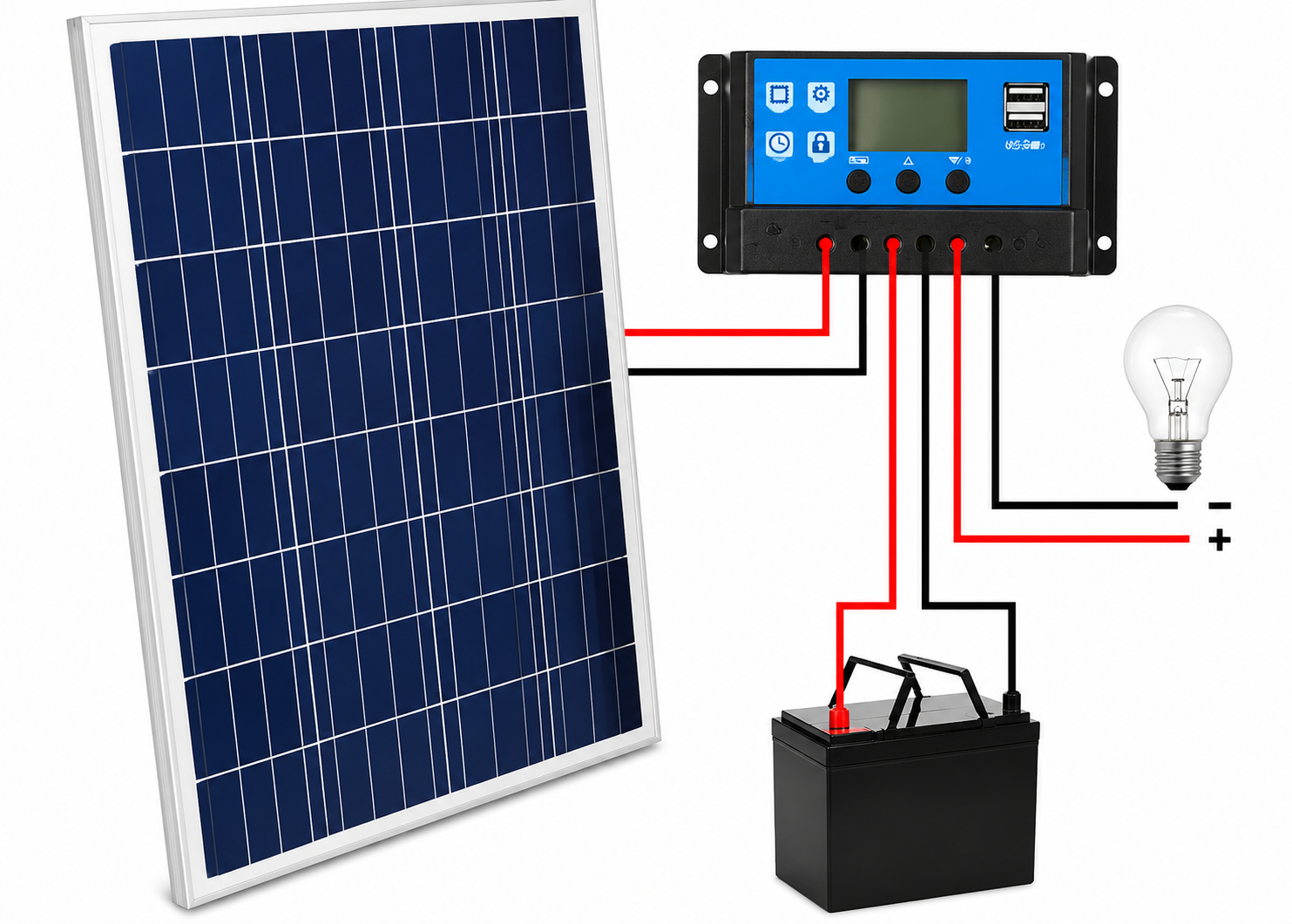
Solar System Charge Controller in Delhi
A solar system charge controller in Delhi is an important component of an off-grid or battery-based solar power system. It regulates the flow of electricity from solar panels to batteries, helping maintain appropriate charging levels and supporting the safe, stable operation of the complete system. Solar India provides reliable charge controller solutions for different solar applications, with options designed to work with varying panel capacities, battery configurations and system requirements.
Whether you are setting up a residential solar system, a commercial installation or an industrial solar project, choosing the right controller can help improve battery management and overall system performance. Solar India's range of solar charge controller solutions in Delhi NCR is suitable for applications where controlled charging and dependable solar energy management are required.
What Is a Solar Charge Controller?
A solar charge controller is a device installed between the solar panels and battery bank in many solar power systems. Its primary role is to regulate the electrical energy generated by the panels before it reaches the batteries.
Solar panels can produce varying voltage and current depending on sunlight conditions. Without suitable regulation, batteries may receive more charging current or voltage than they are designed to handle. A properly selected controller helps manage this energy flow according to the requirements of the connected battery and solar system.
A solar panel charge controller in Delhi can also help prevent common charging-related issues such as overcharging. Depending on the controller type and system configuration, additional functions may include protection against excessive discharge, reverse current, short circuits and other operating conditions.
Why Is a Solar Charge Controller Important?
A solar power system needs effective energy management, particularly when solar panels are connected to batteries. The charge controller acts as an important control point between these components.
Key functions can include:
- Regulating charging voltage and current
- Supporting appropriate battery charging
- Helping prevent battery overcharging
- Reducing the risk of reverse current
- Providing protection against certain electrical faults
- Managing power generated by solar panels
- Supporting more consistent system operation
- Helping maintain battery performance over its usable life
The actual functions and protection features depend on the controller model and system configuration. Therefore, selecting a controller according to the solar panel and battery specifications is important.
Solar Panel Charge Controller for Different Applications
Different solar installations have different power requirements. A small residential battery system may require a different controller from a larger commercial or industrial installation.
Solar India can provide solar panel charge controller in Delhi NCR solutions for applications such as:
Residential Solar Systems
Homes using solar panels with battery storage require controlled charging to manage the energy generated during daylight hours. A suitable controller can regulate the charging process according to the connected battery and system specifications.
Commercial Installations
Commercial solar applications may involve higher energy requirements and larger battery banks. The appropriate controller can support controlled energy transfer while working as part of the overall solar power system.
Industrial Applications
Industrial installations often require carefully selected electrical components based on system capacity, operating conditions and load requirements. A suitable solar power charge controller in Delhi can form part of a larger solar energy management arrangement.
Backup and Off-Grid Systems
In off-grid and backup applications, batteries are an important part of energy storage. A charge controller helps manage electricity generated by solar panels before it is supplied to the battery bank.
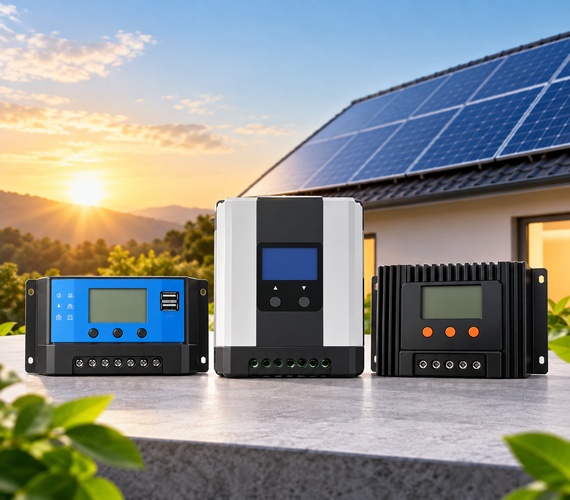
Types of Solar Charge Controllers
Solar charge controllers are generally available in different technologies. The right choice depends on factors such as panel voltage, battery voltage, system capacity and installation requirements.
PWM Charge Controllers
Pulse Width Modulation (PWM) controllers regulate the charging process by controlling the connection between the solar panel and battery. They are commonly used in smaller and relatively straightforward solar installations.
MPPT Charge Controllers
Maximum Power Point Tracking (MPPT) controllers are designed to extract available power from solar panels more efficiently under suitable operating conditions. They can be particularly useful in systems where panel and battery voltage configurations make MPPT operation beneficial.
The choice between PWM and MPPT should be based on the complete system design rather than controller type alone.
Features to Consider When Choosing a Solar Power Charge Controller
Selecting the correct controller involves more than checking its price. The controller needs to match the electrical characteristics of the solar installation.
Important factors include:
- System voltage: The controller should be compatible with the battery bank voltage.
- Maximum charging current: The controller should support the expected current generated by the solar array.
- Solar panel compatibility: Panel voltage and configuration need to be considered.
- Battery type: Different batteries can have different charging requirements.
- Protection features: Overcharge, reverse polarity, short-circuit and related protections may be important.
- Installation environment: Temperature and operating conditions can affect equipment selection.
- Future expansion: The controller may need sufficient capacity if the solar array is expected to expand.
A properly matched solar charge controller in Delhi NCR can make energy management more predictable and help avoid compatibility-related problems.
Benefits of Using the Right Solar System Charge Controller
A charge controller does not generate electricity itself. Instead, it helps manage the electricity produced by the solar array and supplied to the battery.
Using a correctly selected controller can provide several practical benefits:
Better Battery Charging Management
The controller regulates the energy supplied to the battery according to its operating requirements, helping maintain an appropriate charging process.
Protection for Connected Components
Depending on the model, built-in protection mechanisms can help protect the battery and connected electrical equipment from certain abnormal operating conditions.
Efficient Energy Utilisation
In systems using MPPT technology, the controller can optimise the operating point of the solar array to make better use of available solar energy under suitable conditions.
More Stable System Operation
A properly matched controller supports controlled interaction between the solar panels and battery, contributing to stable operation of the overall system.
Suitable for Different Solar Setups
Controllers are available in different capacities and technologies, allowing system designers to select an option according to the requirements of a particular installation.
How to Select the Right Solar Charge Controller
Choosing a controller should ideally begin with the specifications of the entire solar system.
Consider these points before purchasing:
- Calculate the solar array capacity
Determine the total wattage of the connected solar panels. - Check the battery voltage
Confirm whether the system uses a 12V, 24V, 48V or another configuration supported by the controller. - Determine charging current requirements
The controller's rated current should be appropriate for the expected solar input. - Check panel voltage
The solar array's operating and open-circuit voltage should remain within the controller's specified limits. - Choose the appropriate technology
PWM and MPPT controllers have different operating characteristics and applications. - Review protection features
Look for protection functions appropriate to the installation. - Consider the operating environment
Indoor, outdoor, hot and demanding environments may require different equipment considerations.
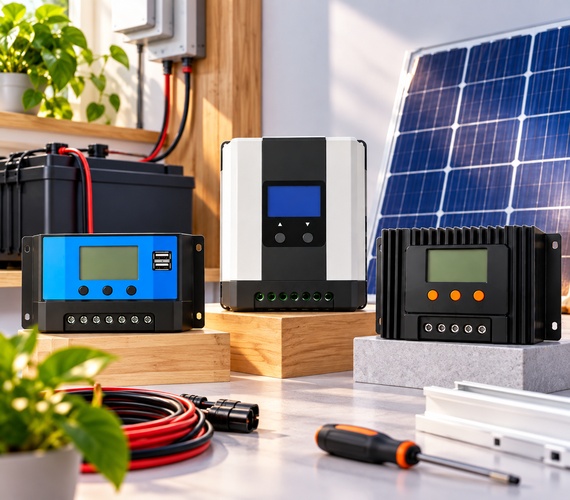
If you are unsure which solar panel charge controller is suitable for your installation, technical guidance can help you match the controller with your panels, batteries and intended application.
Why Choose Solar India?
Solar India focuses on solar energy products and solutions for residential, commercial and industrial requirements. When selecting a solar system charge controller in Delhi, technical compatibility and application requirements are important considerations, and the product should be evaluated as part of the complete solar system.
Customers can consider Solar India for:
- Solar energy equipment solutions
- Charge controllers for different applications
- Products suitable for different system configurations
- Assistance with product selection
- Solutions for residential and commercial requirements
- Solar equipment for industrial applications
- Focus on practical system compatibility
The objective is to help customers select solar equipment according to their actual power requirements rather than choosing a product based only on capacity or price.
How Does a Solar Charge Controller Work?
The basic working process is straightforward:
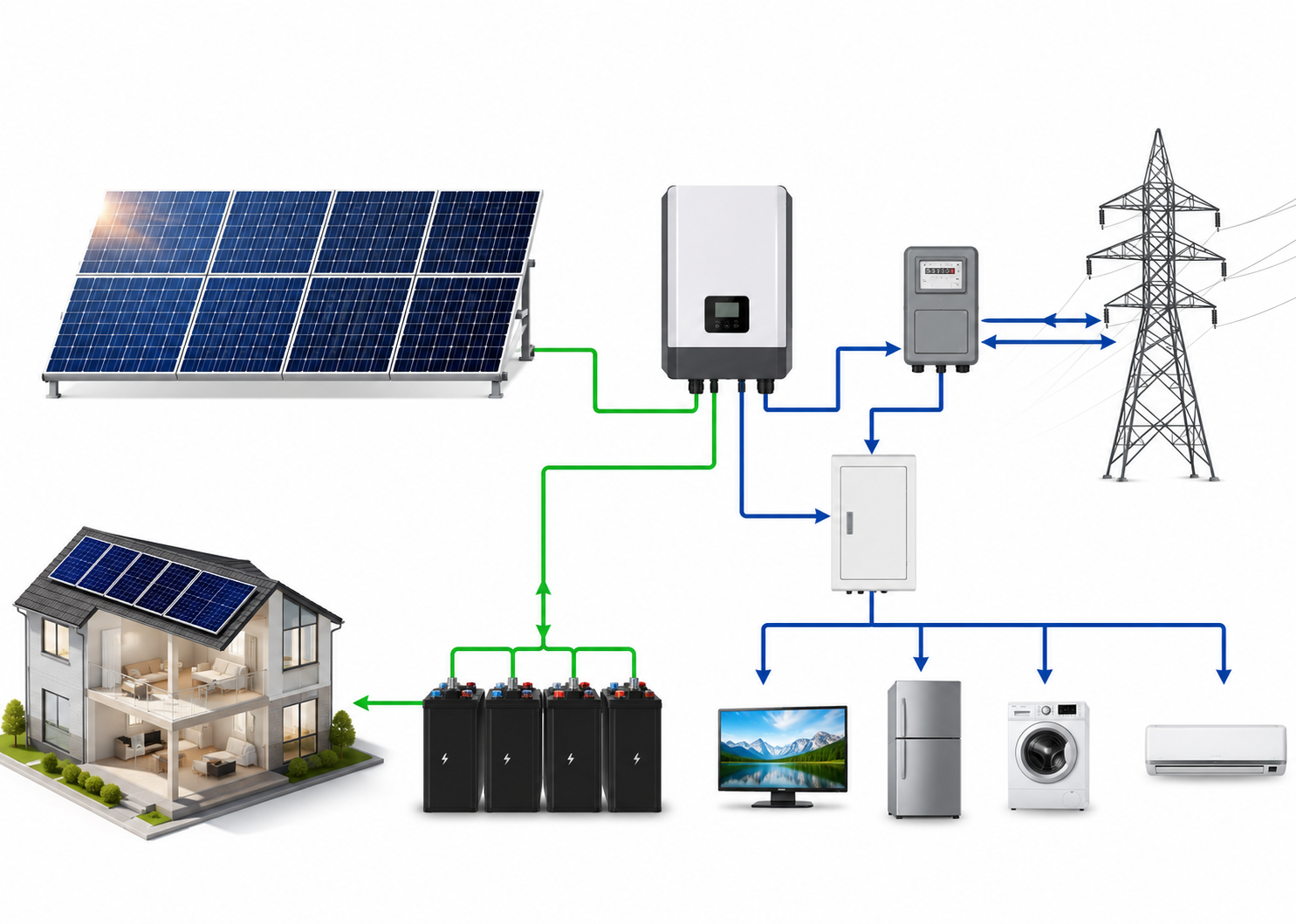
Solar Panels → Charge Controller → Battery → Electrical Load
During daylight, the solar panels generate electrical energy. The controller receives this energy and regulates its transfer to the connected battery. Depending on the technology and operating conditions, it adjusts the charging process to suit the battery and solar input.
Once the battery reaches an appropriate charging level, the controller manages the charging process according to its programmed operating characteristics. Some advanced controllers may also provide monitoring information, load control and additional protection functions.
The exact operating sequence depends on the controller model, battery chemistry and solar system configuration.
Applications of Solar Power Charge Controllers
Solar charge controllers can be used across a range of solar-powered applications, including:
- Residential solar power systems
- Off-grid solar installations
- Solar street lighting systems
- Solar backup systems
- Remote power systems
- Agricultural solar applications
- Commercial solar installations
- Industrial solar projects
- Battery-based renewable energy systems
- Small and medium solar energy systems
For larger or specialised projects, controller selection should be based on detailed electrical specifications and the complete system design.
Frequently Asked Questions
1. What is a solar charge controller?
A solar charge controller regulates electricity flowing from solar panels to a battery. It helps manage the charging process and, depending on the model, can provide protection against conditions such as overcharging, reverse current and certain electrical faults.
2. Why do I need a solar panel charge controller?
A solar panel charge controller helps control the energy supplied by solar panels to the battery. It can help maintain suitable charging conditions and protect the battery from inappropriate charging levels, depending on its features and configuration.
3. What is the difference between PWM and MPPT controllers?
PWM controllers regulate charging by controlling the connection between the solar panel and battery. MPPT controllers track the solar array's maximum power point and can provide better energy harvesting under suitable conditions. Selection depends on the system design.
4. How do I choose the right solar power charge controller?
Consider solar panel capacity, panel voltage, battery voltage, charging current, battery type and controller technology. The controller should be rated appropriately for the complete solar installation and its operating conditions.
5. Can a charge controller be used with different battery types?
Some controllers support multiple battery types, while others may have specific compatibility requirements. Always check the manufacturer's specifications and charging settings before connecting a battery to a controller.
Get the Right Solar Charge Controller for Your System
The right controller can make a significant difference to how a battery-based solar installation manages the energy generated by its panels. From small residential setups to commercial and industrial applications, the controller should be selected according to panel capacity, battery specifications, voltage, current and operating conditions. Solar India provides solar system charge controller solutions for different solar applications and can help customers identify suitable equipment for their requirements. Contact Solar India today to discuss your solar project and find a suitable solar system charge controller in Delhi NCR for your installation.
Product Details:
| Power | 12V/10AMP |
| Rated Voltage | 220V |
| Application | Solar System Controller |
We offer solar super converter cum solar charge controller for existing inverters. If you own an inverter system then by connecting our solar converter you can convert your existing non solar inverter system into a solar inverter. This gives priority to solar charging and allows only the solar panel or mains to charge the battery at a time.
The switch over between solar and mains is automatic. Some of the features of solar converter are:
(1) Coverts existing non solar inverter into a solar inverter.
(2) 12V and 24V auto select systems are available.
(3) 10 Amp,20 Amp,30 Amp and 40 Amp models are available
(4) Auto switch over between solar and AC mains.
(5) Manual selection also available in case solar charging is not sufficient in cloudy whether.
(6) LED display for charging status
(7) Housed in a rugged steel cabinet.